
November 2026 SFUSD
Board of Education Candidates
Our process is led by families, for families.
These are the candidates running for the three seats on the San Francisco Unified School District Board of Education in the November 2026 election.
SF Parents Action is conducting a parent-led endorsement process for this race. As part of this process, all serious candidates were invited to complete a detailed questionnaire focused on the issues impacting SFUSD students and families, including academic outcomes, district governance, budget challenges, enrollment, school assignment, and equity.
Our endorsements will be announced in June 2026.
Below, you can learn more about each candidate in the candidate profile summaries and review their questionnaire responses.

Autumn Brown Garibay
Candidate Profile
Brown Garibay is an SFUSD parent, PTA leader at Flynn and James Lick, member of the SF Parents Leadership Council, and a regular attendee at Board of Education meetings to advocate for students. Professionally, she works in account management. She is running to make SFUSD more reliable, consistent, and focused on student outcomes.
Budget
Key concerns: Structurally spending more than the district brings in, rising staffing and benefit costs, declining enrollment, use of one-time funds for ongoing expenses, chronic absenteeism, weak position control, unclear financial systems, and unreliable public information.
Going forward: Ask hard questions early, approve a balanced budget, avoid using one-time funds for ongoing costs, and protect instruction, stable schools, special education, multilingual learner support, and school staff.
Lottery system
Key concerns: The student assignment system is overly complex for many families to understand; widespread fear, confusion, rumors, caveats, tiebreakers, and exceptions keep some families from engaging with the process.
Going forward: Supports the goals of diverse enrollment, predictability, and reasonable geographic access. Believes that targeted changes to boundaries, tiebreakers, and attendance-area guarantees could address core concerns with less disruption than a full systemic redesign.
School closures
Frames the school closure conversation around what mix of schools will best serve San Francisco students long-term, emphasizing that any closures, mergers, or redesigns should only move forward if they improve student outcomes, reflect meaningful community engagement, and include a clear, trustworthy implementation plan that families can understand and rely on.
Beyond the Questionnaire
We've known Brown Garibay for years, and she is unquestionably committed to making SFUSD a better place for students and families. Her positions demonstrate that she is committed to improving student outcomes across SFUSD's broad student population and that she fully supports our teachers. She doesn't have the deep policy knowledge of the incumbents, but we believe she has the potential to become a strong board member.
"SFUSD should be reliable, consistent, and excellent for every child — not just for families who know how to navigate the system or fill in the gaps themselves." — Autumn Brown Garibay

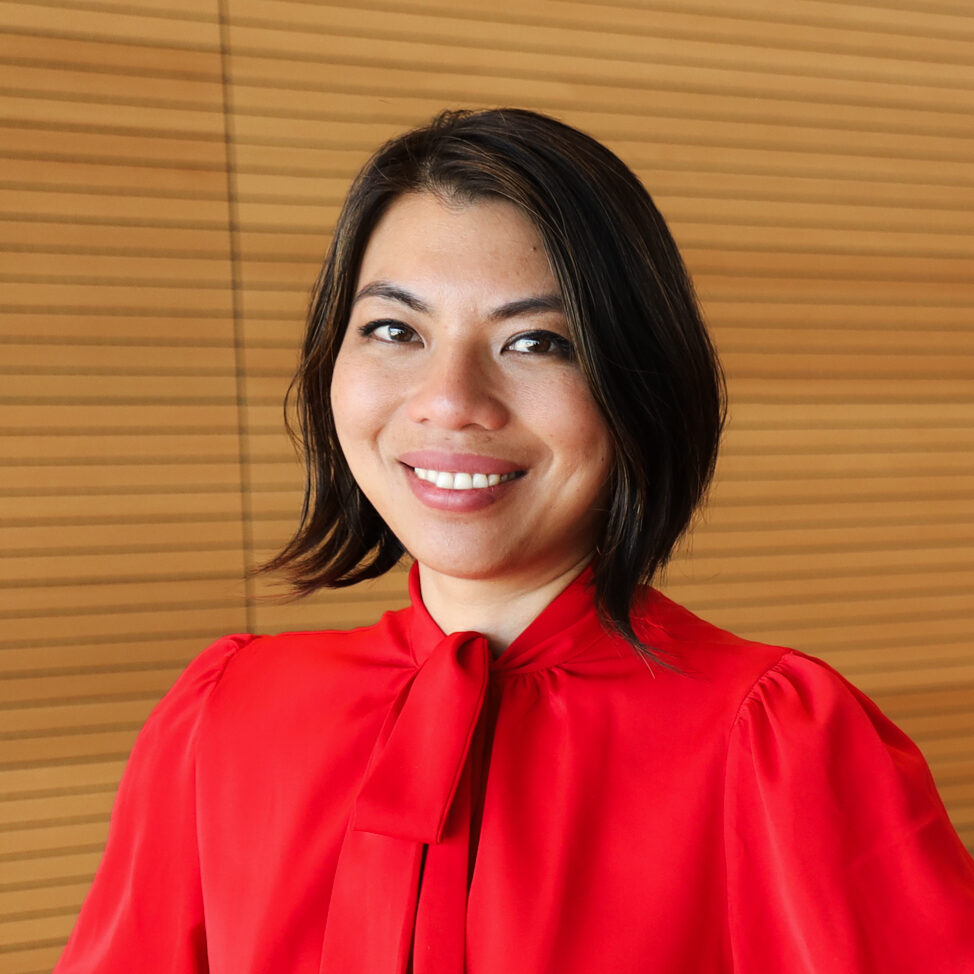
Virginia Cheung
Candidate Profile
Cheung is a public school parent at Alice Fong Yu Alternative School and the daughter of refugees. Her work experience spans early education, family services, nonprofit leadership, and community partnerships. At Wu Yee Children's Services, she helped expand services connecting working families to early education, health care, family support, and kindergarten readiness programs.
Budget
Key concerns: Budget challenges are driven by declining enrollment, rising operational costs, staffing instability, and structural funding limits tied to attendance-based formulas.
Going forward: The board must prioritize investments that improve student outcomes and stabilize enrollment: fully staffed classrooms, early education, student supports, strong learning environments, budget transparency, and early childhood partnerships.
Lottery system
Key concerns: Many families experience the lottery as stressful, confusing, and hard to navigate — especially multilingual, working-class, and single-parent households.
Going forward: Supports stronger preschool outreach, earlier timeline communications, enhanced enrollment counseling, a more accessible digital School Finder with robust language translations, and ensuring equitable access to language immersion, arts, STEM, and advanced coursework.
School closures
Refuses to support school closures without clear evidence that they would improve student outcomes, learning environments, and long-term stability. Insists that any proposal be grounded in data, measurable outcomes, transparent equity analysis, and meaningful community engagement, while ensuring closures do not disproportionately harm high-need students, multilingual learners, students with disabilities, or historically marginalized communities.
Beyond the Questionnaire
We appreciate Cheung as a dedicated public school parent who is passionate about our schools and a strong advocate for students. However, we have concerns about her lack of policy depth on SFUSD's budget. Despite running in both the June 2026 and 2024 elections — neither of which resulted in an SF Parents endorsement — she has yet to articulate a clear plan for how the district should continue to improve its budget outlook, which remains one of the most pressing challenges facing SFUSD.
"I am running because I believe every child deserves access to an excellent public education, and a child's future should never depend on luck." — Virginia Cheung
Alida Fisher
Candidate Profile
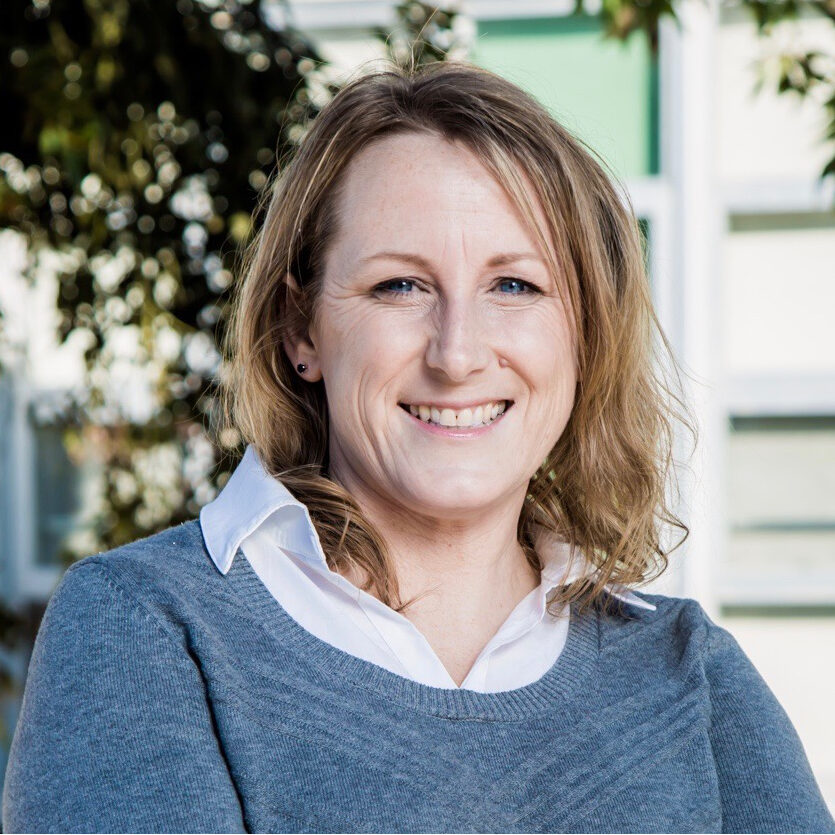
Fisher is an incumbent and a parent of one current SFUSD student and three graduates, a career special education advocate, and a former advisory committee chair. She has supported literacy curriculum reforms and focused on progress toward SFUSD's student outcomes goals.
Budget
Key concerns: Declining enrollment, rising health care and pension costs, and increasing special education expenses represent major structural challenges.
Going forward: Align spending with student success, invest in recruiting and retaining credentialed staff, and update financial systems to improve accountability, forecasting, and transparency.
Lottery system
Key concerns: Notes that only 64.3 percent of school-aged children attend SFUSD, and only 27 percent of K–5 students attend their local neighborhood school.
Going forward: Enrollment reform must build trust in school quality, improve transparency, reduce barriers, strengthen neighborhood community schools, and maintain equitable access to programs such as language pathways, STEM, special education, arts, and inclusion models.
School closures
Believes SFUSD will likely need to close or consolidate some schools due to long-term enrollment decline and excess campus capacity, while emphasizing that school closures themselves do not meaningfully save money. Instead, they allow the district to better consolidate and allocate resources in ways that can improve equity, instructional quality, program access, and the stability of learning environments.
Beyond the Questionnaire
Though SF Parents did not endorse Fisher in 2022, families have been impressed with her focus, collaborativeness, and professionalism on the board and with district leadership. However, she has not been consistently student-centered in her votes. For example, ahead of the teacher strike, she voted to prohibit Superintendent Su from implementing emergency measures that would have allowed the district to support its most vulnerable students — a vote that did not have students' best interests in mind. Her stance on algebra is mixed: she says she believes all 8th graders should have access to algebra, but then voted down the recent policy change to bring it back. Overall, we think she has been a good board member, but we still have questions about some of her votes.
"Budgets are value statements, and we must ensure our spending reflects our priorities and supports student success." — Alida Fisher

Ryan Hazelton
Candidate Profile

Hazelton says he is running because families he works with at Mariposa Kids love their school communities at Flynn and Dolores Huerta, but experience the broader school system as difficult to navigate. He runs an after-school program and has built a career focused on early childhood education, children and families, and out-of-school time programming. He has served on the boards of nonprofits and schools, including the Thomas Edison Charter Academy in San Francisco.
Budget
Key concerns: Enrollment decline, driven in part by a confusing assignment system and insufficient after-school options; an attendance-based state funding model; and central office spending that independent analysis has found to be 83 percent above the peer-district median.
Going forward: Classroom and teacher reductions should not be the mechanism for balancing the budget — administrative costs should be addressed first. Supports building a coalition to push Sacramento toward enrollment-based funding, and warns against pulling funds from early childhood programs to close short-term budget gaps.
Lottery system
Key concerns: The lottery creates anxiety for families who cannot predict where their child will land, causing SFUSD to lose families to private schools because of the system's complexity, unpredictable results, and after-school planning uncertainty.
Going forward: Supports targeted reforms that establish baseline predictability, noting that neighborhood assignments could deepen community investment in local schools. Sees a clear opportunity for early childhood education providers to partner more closely with elementary schools to facilitate smoother, neighborhood-based transitions.
School closures
Acknowledges that some school consolidations will likely be necessary because SFUSD's facilities capacity far exceeds current enrollment, but argues the district should first implement and evaluate assignment system reforms before pursuing closures. Insists any consolidation process include genuine community engagement from the outset, rigorous equity analysis, a commitment to better-resourced consolidated schools, and protections against opaque decision-making or disproportionate impacts on specific neighborhoods.
Beyond the Questionnaire
While Hazelton's career reflects a clear passion for supporting children, some recent actions give us pause. During the teacher strike, he took a publicly antagonistic stance toward SF Parents and other groups advocating for more time and extended negotiations to reach an agreement. Furthermore, although his platform emphasizes bringing parent voices to the table, he is not himself a district parent, leaving it unclear how effectively he would represent the diverse perspectives of SFUSD families.
"Bringing parent voices to the decision-making table is not optional. It is the work." — Ryan Hazelton
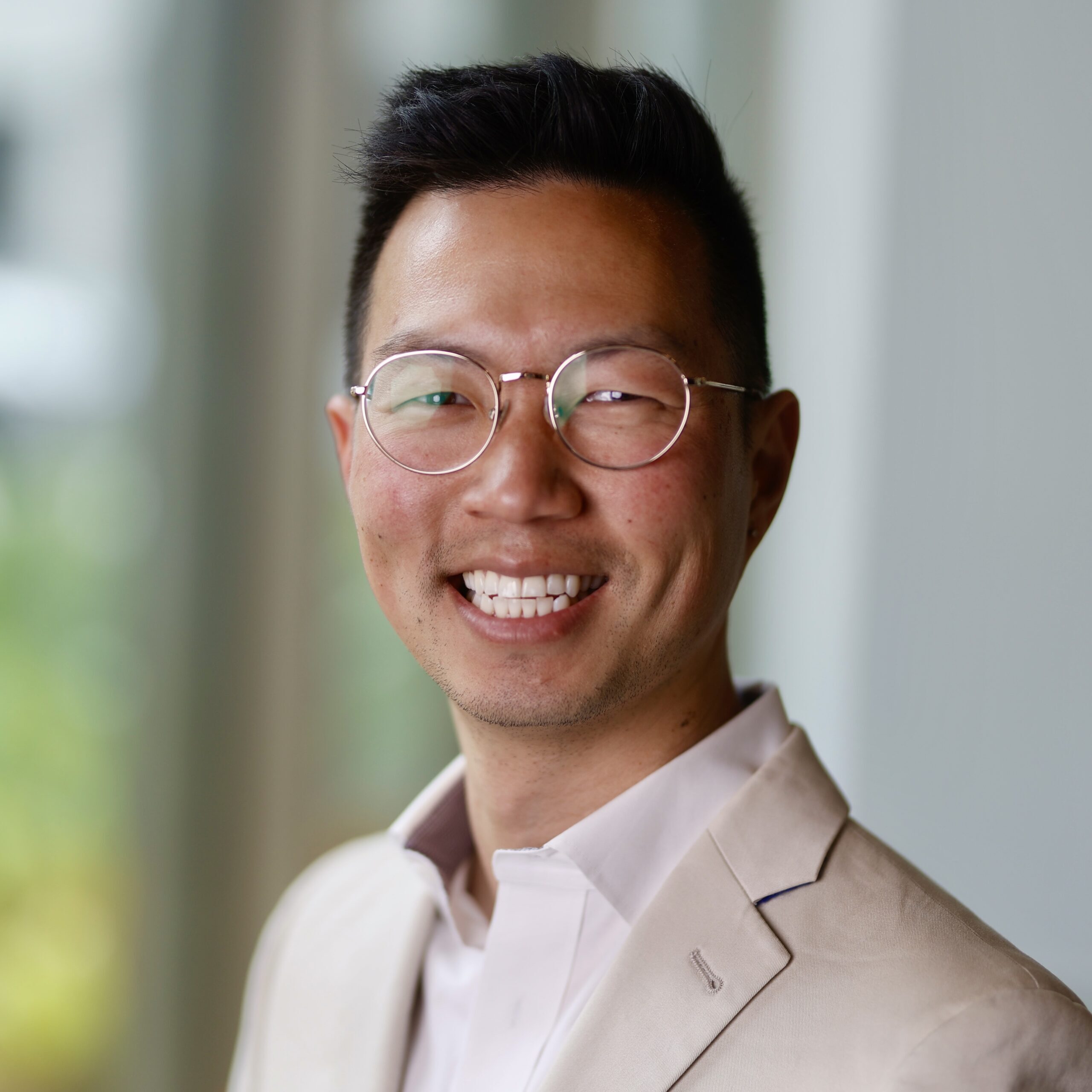
Phil Kim
Candidate Profile
Kim is a former 7th-grade science teacher and the only credentialed teacher on the current school board. His career has focused primarily on STEM instruction and policy at local, state, and national levels. Joined SFUSD staff in 2024 within the Office of the Superintendent; the only current board member who has worked inside SFUSD. He helped steer SFUSD’s fiscal recovery from negative to qualified certification, and led board ad hoc committees on progress monitoring and public engagement.
Budget
Key concerns: Declining enrollment and chronic absenteeism serve as the primary drivers of revenue loss. Fixed costs in special education, debt service, and facilities continue to rise. Points to the historical use of one-time federal relief funds for ongoing expenses and weak multi-year forecasting.
Going forward: The board must establish firm financial guardrails, hold the Superintendent to a credible multi-year plan, restrict one-time funds to one-time purposes, and align available resources directly with student outcome goals.
Lottery system
Key concerns: The current lottery is opaque and overly complex, disproportionately impacting families who lack the time, language access, or social networks needed to navigate the system.
Going forward: Enrolling in SFUSD should be seamless. Notes that zone-based enrollment has been designated a top Superintendent priority. Highlights key educational transitions — Pre-K/TK to 1st grade, 5th to 6th grade, and 8th grade to high school — as critical moments where families need significantly better information and support.
School closures
Argues that sustained enrollment decline and rising operational costs mean SFUSD can no longer maintain its current number of school sites, and believes all consolidation options, including mergers, should remain on the table — provided the process includes early and ongoing community engagement, strong equity analysis, and clear alignment between portfolio decisions and the district's instructional goals.
Beyond the Questionnaire
Parents overwhelmingly voted to endorse Phil Kim for the June 2026 election. He has a strong record of increasing student instruction time in core subjects, supporting teachers, and pushing for a responsible district budget. Our primary concern with Phil relates to his role in the recent breakdown in the relationship between the board and the Superintendent. Despite this, we believe Phil is one of the strongest champions for students, teachers, and families on the board.
"Academic excellence and equity are inseparable. You cannot deliver genuine excellence if some students are systematically excluded from high-quality instruction." — Phil Kim
Laurance Lee
Candidate Profile

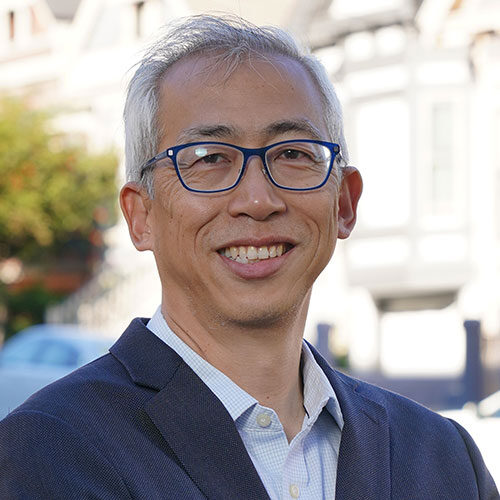
Lee is a San Francisco native and K–12 graduate of SFUSD. Raised in an immigrant family, he credits SFUSD teachers with supporting his academic and professional path. He has served on the Citizens Bond Oversight Committee, including as Vice Chair, helped provide college scholarships to students, and volunteered at Drew Elementary through the S.F. Ed Fund.
Budget
Key concerns: Ongoing budget challenges are hurting students; advocates for clearer public information about how district funds are spent.
Going forward: Supports targeted efforts to increase enrollment, including a new K–8 Mandarin immersion school. Believes the board should implement strict spending guardrails for the Superintendent to direct limited funds toward student outcomes.
Lottery system
Key concerns: Notes that while the current assignment system gives many families one of their choices, the process is experienced as opaque, arrives too late, and frequently creates long, burdensome commutes.
Going forward: Expresses interest in zone-based assignments, noting that families across all neighborhoods want strong, reliable local school options.
School closures
Acknowledges that SFUSD will likely need to close, co-locate, or combine some schools due to structural budget pressures and declining enrollment, while arguing that administrative cuts to consultants, lawyers, and district staff should be prioritized first. Also notes that some lower-enrollment schools receive significantly more funding per student without producing stronger outcomes, and believes resources could be better redirected toward classroom-facing supports such as literacy coaches, assistant vice principals, and mental health staff, with strong transition support provided to affected families.
Beyond the Questionnaire
SF Parents did not endorse Lee when he ran in 2022, but he remains popular with some families, particularly in the Chinese community. No one can question Laurance's deep commitment to advocating for a better SFUSD; he has been active for years through both external advocacy and internal roles on SFUSD advisory committees. Our main question is whether he can broaden his coalition beyond his core base.
"Effective board governance means improving student outcomes. We can do better." — Laurance Lee
Brandee Marckmann
Candidate Profile
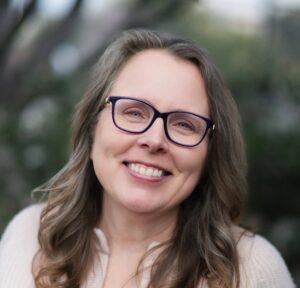
This candidate did not respond to the SF Parents questionnaire and has declined to participate in our endorsement process.
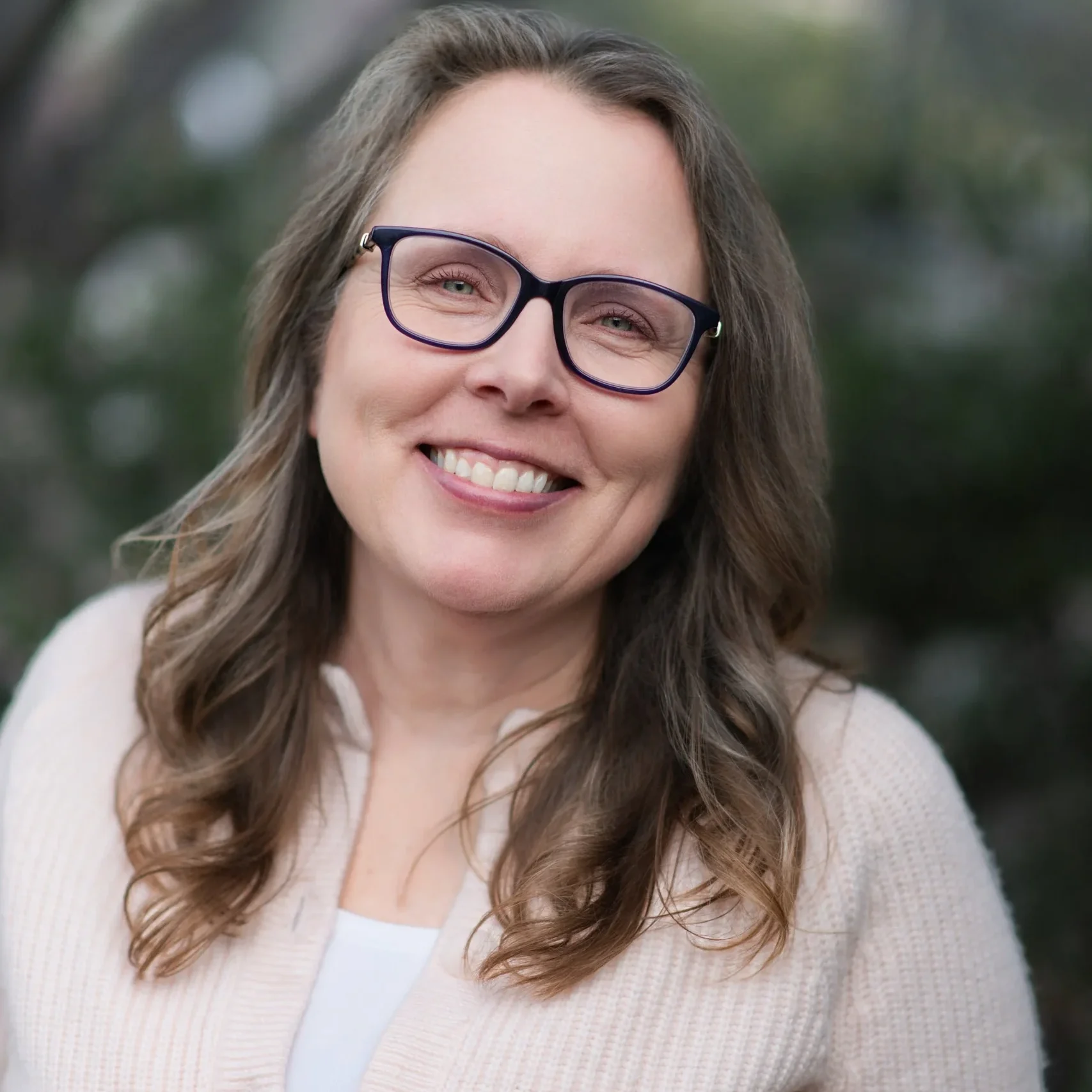
Marckman is a former Co-chair of the San Francisco Berniecrats, has been active in SFUSD politics, and is an SFUSD parent and former chair of Sutro Elementary's School Site Council.
SF Parents has serious concerns about Marckman's priorities and ability to work collaboratively with other board members and district staff, based on how she has conducted her campaign and on past positions and behaviors, including:
- Criticized other candidates' campaigns for receiving support from wealthy donors, claimed she is running a grassroots campaign, and then self-funded her own campaign with $100,000.
- Opposed bringing back 8th-grade algebra to increase access and supports for all students.
- Vocally advocated for renaming schools — including Abraham Lincoln and George Washington — during the extended pandemic school closures.
- Opposed the reopening of in-person school even a full year into the pandemic, after teachers had been vaccinated. Told the teacher’s union that "kids were dying in classrooms" after students returned to school in April 2021.
- Attacked local families, teachers, and advocacy groups online and at public meetings for holding differing views; created harassing graphics and spread misinformation labeling public school parents as "right-wing" and "school privatizers."
This candidate did not participate in our spring endorsement process.
Reina Tello
Candidate Profile
Tello is an SFUSD alumna and current SFUSD parent with children attending James Lick and the June Jordan School for Equity. She is a community organizer with PODER who has spent decades advocating for better governance within public schools and city government.
Budget
Key concerns: Believes structural budget challenges stem from the city's high cost of living pushing families out of San Francisco, alongside inadequate state funding for public schools.
Going forward: Supports a clear vision for a thriving district, responsible use of the $400 million reserve to improve SFUSD and attract families, pursuit of new revenue, and identifying misspent dollars to better serve students — especially those with the greatest needs.
Lottery system
Key concerns: Believes there have long been valid critiques of the lottery system, notes that the board committed in 2019–20 to fix it, and says the current board has not followed through.
Going forward: Sees an opportunity to make neighborhood schools work better for students and to reduce anxiety and travel time.
School closures
Believes any major SFUSD restructuring decision, including school closures, must be grounded in meaningful community engagement and equity from the outset. Argues that closures do not generate significant savings on their own and should only proceed if there is a clear benefit to students — especially vulnerable and at-risk students — using Guardrail One and broader community engagement standards as the guiding framework.
Beyond the Questionnaire
Tello would bring an important voice representing the Latino community to the school board, and her commitment to advocating for children and youth is commendable. However, we have concerns about a protest organized by PODER — the organization she works for — outside Superintendent Su's home during the teacher strike earlier this year. Effective school board members need a collaborative relationship with the superintendent to advance shared goals, and we wonder whether that incident could strain that dynamic.
"Equity means all students have the support necessary so everyone achieves academic excellence." — Reina Tello

Michael Turon
Candidate Profile
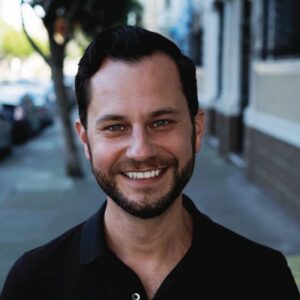
Turon is the parent of two children entering SFUSD this fall. He holds a PhD in Physics from Cambridge and has deep experience leading analytics, operations, and finance teams, including acting CFO work at HelloFresh and VP at Royal Caribbean.
Budget
Key concerns: The impending expiration of more than $330 million in one-time COVID relief funds, declining enrollment and attendance-linked LCFF funding, rising operational costs, and systemic operational failures.
Going forward: Proposes an immediate 90-day peer-district audit of central administration, targeted enrollment campaigns to bring students back to the district, state LCFF advocacy to account for high Bay Area costs, reserve rules that protect the state floor, and clear guidelines on payroll and one-time funding allocations.
Lottery system
Key concerns: Believes the current system is neither stable for families nor fair to students, due to excessive travel times, late notices, and severe waitlist churn.
Going forward: Launch the already adopted zone-based plan, replace CTIP1 with a household-level equity tiebreaker, preserve citywide language immersion programs, compress the process into a single round of choice, and publish clearer multilingual guides and transparent equity data.
School closures
Concedes that some school mergers or consolidations may ultimately be necessary due to declining enrollment, but strongly opposes top-down closures and argues they should only move forward after public data review, robust transition planning, and meaningful community consent. Emphasizes that audits, enrollment recovery efforts, and state funding advocacy should be pursued before closures become the district's primary solution.
Beyond the Questionnaire
We appreciate Turon's enthusiasm to serve the district, and we recognize him as a passionate incoming SFUSD parent. However, we have some reservations about his readiness for the role and whether he would approach board governance in a way that prioritizes partnership and collaboration over conflict.
"I find where systems leak money and time. I build the plan. I track the fix." — Michael Turon
 Turon is the parent of two children entering SFUSD this fall. He holds a PhD in Physics from Cambridge and has deep experience leading analytics, operations, and finance teams, including acting CFO work at HelloFresh and VP at Royal Caribbean.
These are the candidates running for the three seats on the San Francisco Unified School District Board of Education in the November 2026 election.
SF Parents Action is conducting a parent-led endorsement process for this race. As part of this process, all serious candidates were invited to complete a detailed questionnaire focused on the issues impacting SFUSD students and families, including academic outcomes, district governance, budget challenges, enrollment, school assignment, and equity.
Our endorsements will be announced in June 2026.
Below, you can learn more about each candidate in the candidate profile summaries and review their questionnaire responses.
Join us in electing student-focused candidates to the S.F. Board of Education
2022: Our two endorsed candidates were the top two vote getters in the November school board election.
2024: Our three endorsed candidates were the top three vote getters in the November school board election.
Can you pitch in today to help us continue to reach voters who prioritize San Francisco's children and families?